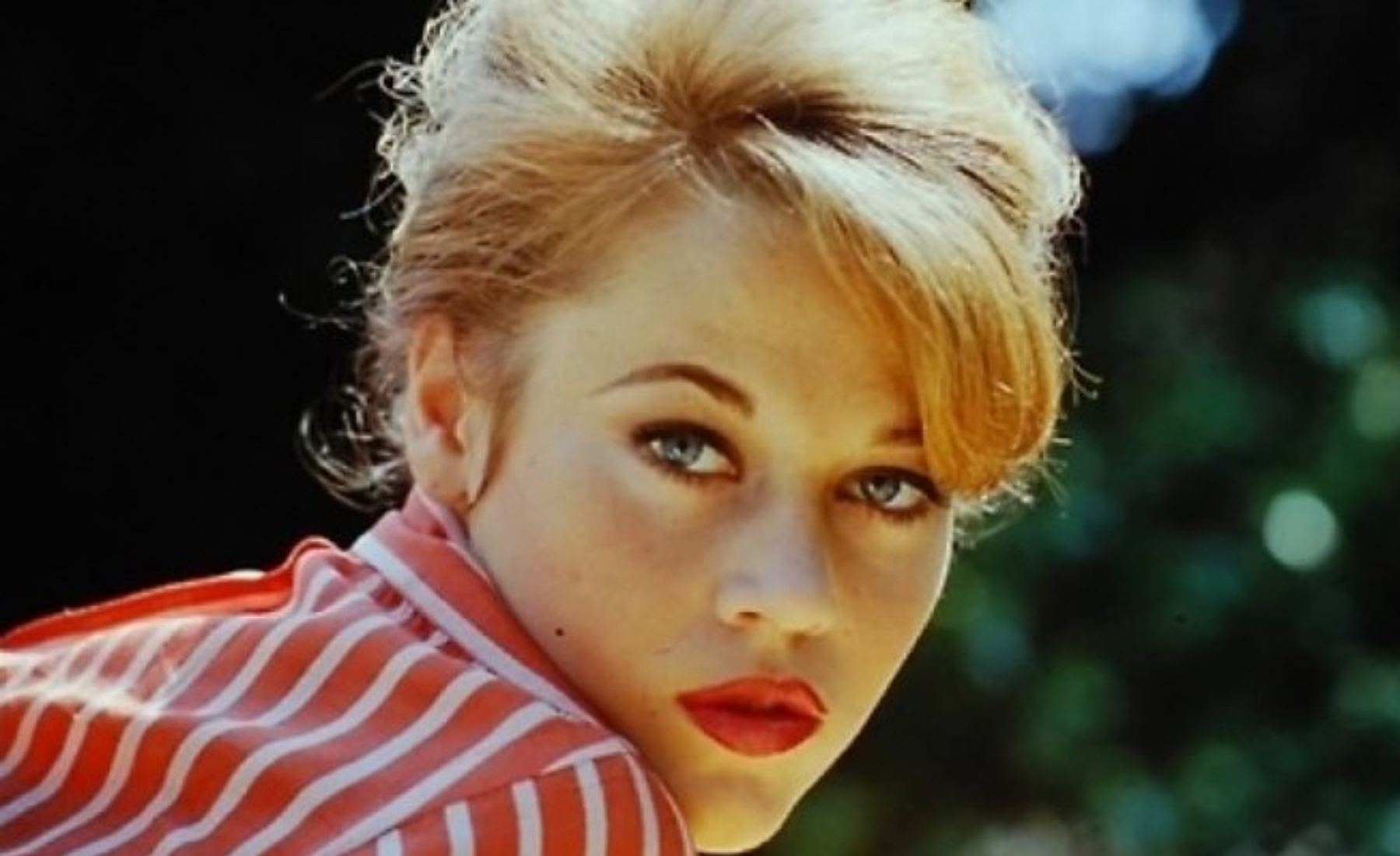
At the remarkable age of 86, Jane Fonda embodies a steadfast defiance against societal stereotypes of ageing, proving that age is no barrier to vitality or relevance.
In her own words…
“You know, you can be really old at 60, and you can be really young at 85.”
As an acclaimed actress, fervent activist, and fitness guru who, in the 1980s, turned dance aerobics into a global movement, Jane’s words are a clarion call to dismantle ageist stereotypes and redefine what it means to age. They are a powerful reminder to live life with vibrancy and purpose, regardless of our chronological age, with nothing more than a positive mindset.
The Formative Years of a Cultural Icon.
Jane Seymour Fonda was born in 1937 to the legendary American actor Henry Fonda and the Canadian-born socialite Frances Ford Seymour—who tragically took her own life when Jane was just 12.
The impact of her mother’s death at such a tender age left an indelible impression on Jane, influencing her in ways both evident and subtle. An often distant and complex relationship with her father in the absence of her mother, Jane has spoken openly of intimacy as her greatest fear, a lasting legacy of those formative years.
For Jane, a career that has spanned over five decades might have seemed inevitable. In her own right, she is an accomplished actress with stand-out films like They Shoot Horses, Don’t They?, Klute, and Coming Home—the latter two garnering her Oscar wins for Best Actress. Memorable comedic roles, such as her performance in the 1967 hit “Barefoot in the Park” alongside Robert Redford, showcase her versatility.
Yet, despite her many achievements on the screen, Jane’s activism for the causes closest to her heart is at the centre of everything she does.
Behind the Screen: Activism to Activewear.
But to define Jane merely by her acting chops would be to ignore the multi-dimensions of this incredible woman.
Jane epitomises what it means to be a multi-hyphenate woman, leveraging her acting and celebrity status to fund her one true passion, activism, which started during the Vietnam War in the 1970s.
Her business venture, “The Jane Fonda Workout,” remains among the highest-selling home videos. This project was initiated not just for fitness and health but to fund the Campaign for Economic Democracy (CED), a non-profit organisation she ran alongside her second husband, Tom Hayden and underscores her commitment to activism.
The Third Act: Becoming Whole.
In 1990, shortly after her marriage to Tom Hayden ended, Jane Fonda met entertainment mogul Ted Turner. They married in December 1991, embarking on a decade-long union until 2001; with the end of this, her third marriage and entering her 60s, it was to be the beginning of what Jane calls her “third act”—a time of reflection and introspection, which led to her autobiography, “My Life So Far.”
Looking back over her life gave her clarity on how she wanted to live out the next life chapter. This era emerged as a defining moment in her life, leading to a phase where, unencumbered at 62, she describes herself as finally feeling whole.
Jane’s views on ageing are as enlightening as her life is inspiring: “I’m not afraid of ageing. I’m more afraid of people’s reactions to my ageing.”
She champions the idea that it’s never too late for any endeavour in life: “It’s never too late – never too late to start over, never too late to be happy.”
Her philosophy extends to embracing one’s whole self: “The challenge is not to be perfect…it’s to be whole.”
On embracing change, she observes, “If you allow yourself, you can become stronger in the very places that you’ve been broken.”
Jane’s appreciation for life deepens with age: “With age, I’m able to appreciate the beauty in small things more than when I was younger, perhaps because I pay attention more.”
Her resilience shines through her advice: “You can do one of two things: just shut down and surrender, or you can get angry and fight back. I chose to fight back. And that’s because I know the measure of who I am.”
On the importance of lifelong learning and curiosity: “Stay curious, keep learning, and keep growing. And always strive to be more interested than interesting.”
And if Jane couldn’t be more, well, Jane, her declaration in the 2022 H&M Move Campaign encapsulates her indomitable spirit: “I’m not stopping. I’m Jane Fonda.”
Indeed, Jane Fonda does not stop—and for that, she serves as a beaming light of inspiration. I love her, and she inspires me daily!
Now, well into her third act, Jane Fonda’s life illustrates that we can write our own stories about how we live and age.
The Power of a Positive Mindset to Ageing.
Jane exemplifies the power of a positive mindset.
Have you ever noticed that some people reach a specific milestone in life and begin to use language that denotes their age?
You’ve no doubt heard it or even said it.
“I’m too old for that, or now that I’m old…” These words start creeping into what we say about ourselves. The thing is, and to drop a well-worn cliché, you’re only as old as you feel.
Yet, when we observe those who defy age stereotypes, like Jane, they offer invaluable lessons on living a full and vibrant life well into old age.
Henry Ford once said, “Whether you think you can or whether you think you can’t, you’re right.” This holds true for ageing as well. Let’s change that quote to, “Whether you think you’re old or think you’re not, you’re right.”
This attitude, whether we’re conscious of it or not, shapes our experience of ageing. It’s an attitude—a mindset.
Beliefs That Shape Our Attitude.
Sure, your chronological age is a fact. But why do some remain vibrant and healthy at 65 while others succumb to illness, believing it’s all downhill from here?
It’s time to examine your beliefs. They might not be serving you well, and you have the power to change them. Remember, “thoughts are things.” Listen to them long enough, and they become real.
It’s up to you, not what society tells you. Don’t listen, unless of course, it’s Jane Fonda, in which case, pay close attention to this Grand Dame of life.
Looking Beyond the Surface.
We could focus on our well-worn laugh lines, and many of us do obsessively, but ageing is more than skin deep. It’s about how you internalise ageism and let it influence your thinking.
Not everyone can emulate Jane Fonda’s incredible drive, myself included, but we can all draw inspiration from her, choosing health and wellness over a steady decline.
The Role of Wellness in Ageing.
If illness comes knocking, then early detection and treatment are essential. However, our longevity does not hinge solely on the cure-all medication prescribed by healthcare professionals. Instead, it often lies in the holistic steps we take towards maintaining our health.
I’ve written about it extensively in this article about How to Become a Super Ager.
Embracing a lifestyle prioritising wellness can be a powerful approach to nurturing our long-term health and well-being.
Confronting Ageism: A Call to Action.
Don’t be an ageist because that’s what it is, and it’s everywhere. The older you get, the more you realise how much confidence you’ll need to rise above it, including your own attitude.
Even the most enlightened among us fail when it comes to the subconscious beliefs we all hold about ageing.
Despite what the calendar says, how we feel and live beyond our chronological age is mainly in our hands and in our thoughts.
Celebrating Every Year with Optimism and Resilience.
Vibrancy and health at any age come from more than physical well-being; they’re nurtured by a mindset that embraces growth, learning, curiosity, and resilience.
Approach ageing with optimism, defiance, and an open heart. Age, after all, is just a number.
Let’s be like Jane Fonda and celebrate every year for its life-giving potential, wisdom, and healthy longevity.
If you liked this article, please share it with others in your social network. Or, if you have a question for me, you can reach me here.
See you next time.
