
Here we go again. Promises, promises.
Alright, you’ve told yourself this before, and now here you go again. The diet starts tomorrow, just after this last piece of cake, or you’re just going to finish off all the treats left from Christmas… then you’ll start? Truly, you tell yourself, the diet really does START TOMORROW!
Yep, it’s that little voice again.
Of course, we all know meaningful weight loss is a lifestyle choice. It’s an ongoing and permanent way of eating. But hey, Christmas, C’mon, it’s tough to stay on course with your lifestyle choices, Right? Or maybe your choices weren’t so good before all the festivities, and then Christmas day came around and BAM! You blew it this time, and the scales are not broken. It is what it is. Buying any new clothes is not an option until this weight gets lost.
It’s time to take a bit of action, right?
Is this the year you finally reveal the amazing body lying just below the surface of your current body? It’s true; it’s there, just waiting for you, once and for all, time to finally commit to those lifestyle choices you keep putting off until tomorrow.
The time to start is NOW!
Of course, it is. Don’t overthink it. Just start. The rest will follow. But wait. There are always challenges and obstacles. How will this fit in with the rest of the family? And no sooner do you start something than you’re invited out to dinner, and besides, it’s not you; it’s your hormones; ever since hitting (insert whatever age), you can’t shift the weight.
Even so, accepting it as menopausal weight gain isn’t the answer. Sure, the body changes after menopause, and it does get harder, but it’s possible to lose weight pre and post-menopause.
We don’t have to accept this, nor do we need to listen to the little voice inside that’s blaming hormonal disruptions and telling us it’s all too hard.
With every reason why we can’t make changes, we can equally find solutions that make it possible. If you’re quitting sugar while everyone else in the family continues to consume copious amounts of this toxic stuff. Well, it may be time to sit down and have a conversation about making a few changes for the whole family.
Okay, so you’ve decided to quit sugar?
Quitting sugar is an excellent idea, as pure, sticky, refined sugar wreaks havoc within the body. However, it’s only one piece of the puzzle. After all, our body needs glucose to function just not the sweetly sick kind found in soda, sweets and processed foods.
Beyond quitting, it’s important to address how your body manages blood glucose levels. Balancing blood sugar is not just for those with diabetes; we can all benefit and potentially ward off future illness when we balance our blood sugar.
I’ve found the work from the French Biochemist Jessie Inchauspé, AKA The Glucose Goddess, invaluable and, for many, a clever way to manage the day-to-day glucose spikes that occur in the body without feeling deprived.
 Glucose Revolution
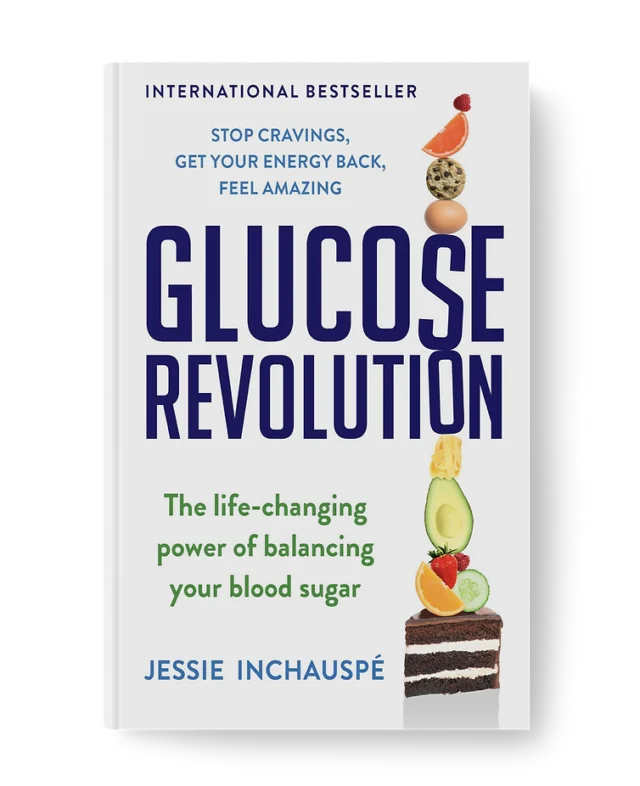
In her book Glucose Revolution, you will learn everything there is to know about glucose. Why you should care, why it impacts every aspect of your life, from cravings to fertility to type 2 diabetes, and ten science-backed hacks to manage it. Jessie’s book reveals her personal story on what motivated her, as well as dozens of stories from people in the Glucose Goddess community.
 The Glucose Goddess Method
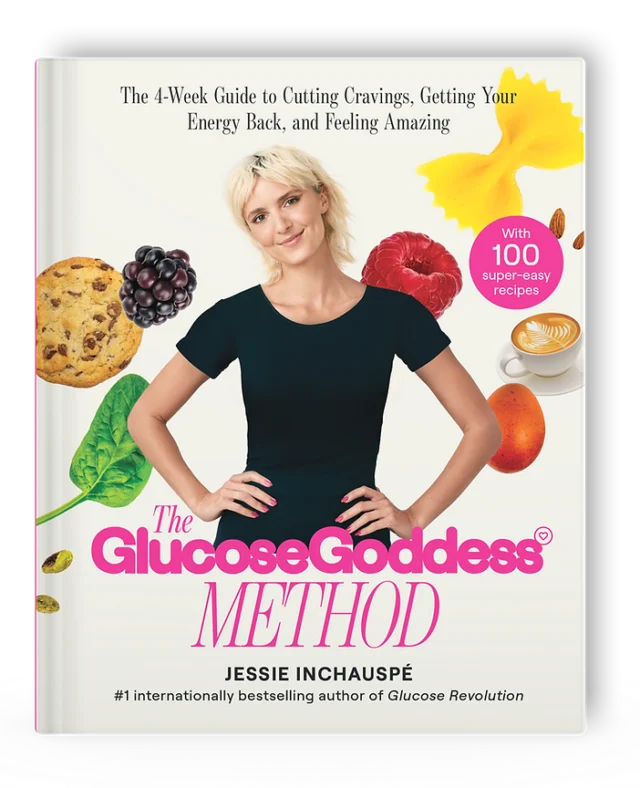
After the success of the Glucose Revolution, readers started reaching out to Jessie to help them get started on their journey to steady glucose. The Glucose Goddess Method is the answer: a 4-week, 4-step plan to incorporate the most powerful glucose hacks into habits. Complete with 100+ recipes, a workbook, and testimonials from 2,700 people who participated in the pilot experiment testing the Method before anyone else.
While we’re quitting, should we give up alcohol, too?
I recently read an article written by Cheryl Strayed of WILD fame about her own decision to moderate her alcohol because of the effect it was having on her cholesterol. It’s a good read, and you’ll find it here.
I have no immediate plans to quit drinking, but over the last decade, I’ve significantly cut down on my alcohol intake. Several factors contribute to this decision. Firstly, I no longer tolerate alcohol as I once did, and the thought of a hangover, while never welcome these days, is something I always want to avoid. Of course, alcohol dehydrates the skin, so there’s that, but there are other considerations that relate to our overall health.
It’s a Toxin: Alcohol is a toxin in our bodies, causing widespread damage.
Carcinogenic: It is classified as a *carcinogen and is linked to 7 cancers, including female breast cancer.
The Aesthetic Effects: Excessive drinking can lead to under-eye puffiness and dark circles, and, as I’ve already mentioned, the skin will appear dull and dehydrated.
Blood Vessel Dilation: Alcohol dilates capillaries, making them visible and giving the skin a flushed and unhealthy look.
Liver Function: Our liver, a remarkable organ, struggles to filter toxins from alcohol, potentially leading to a fatty liver, which isn’t conducive to good health.
Cholesterol Levels: Alcohol consumption is linked to increased blood cholesterol.
*Alcohol has been classified as a Group 1 carcinogen by the International Agency for Research on Cancer (IARC), which is part of the World Health Organization (WHO)
Considering these aspects, the question of whether to quit alcohol** becomes a pertinent one, weighing the potential health benefits against the pleasure of consumption. Some would say even one drink is too many, while others, including advice from the Australian Government, recommend no more than ten standard drinks in a week.
Even ten drinks a week sounds too much, but as I said, I continue to partake, but for me, it’s in moderation and rarely every day.
A better version of YOU awaits.
Whether you’re commencing a new diet today, tomorrow, or in the upcoming weeks, or you’ve established health goals for the year ahead, initiating positive changes in blood sugar management and moderating alcohol intake could be the key to revealing the authentic version of yourself that’s eager to emerge.
For me, they’ve been incremental improvements that eventually became healthy habits. Foundational adjustments to help you achieve better health and pave the way for a healthier, more vibrant you.
See you next time,

** If you or someone you know is dealing with Alcohol Use Disorder, support is available, and you might like to visit the Health Direct website for advice on how to get help.