
If you’ve experienced a skin reaction activated by topical retinol, you’re likely keen to find a happy medium.
On the one hand, you want to reap the rewards of the numerous skin benefits of retinol skincare, while on the other, you’d like to avoid the persistent discomfort of redness and irritation.
You might also be wondering if your skin is reacting right now, this moment, to a topical vitamin A serum or cream; what should you do?
I’ve got answers for you, but first, understanding retinoids and what they’re actually doing will help you in your pursuit of vitamin A nirvana.
Understanding topical vitamin A
To fully embrace the many benefits of vitamin A in your skincare, it’s helpful to understand it. Let’s start with retinoids, the umbrella term for various types of vitamin A that play a crucial role in skin health. Retinoids significantly influence your skin, providing daily skin nutrition to keep it healthy and tackle more difficult skin concerns such as acne, lines, wrinkles, sun damage, and blotchy hyperpigmentation. You will often see the words retinoid and retinol interchanged.
There are many variations of topical vitamin A, each providing its unique role as a skincare ingredient:
Tretinoin (Retinoic Acid): This is the most potent form, used directly by the body for essential functions, including maintaining healthy skin and regulating cell growth. It’s ideal for addressing acne and significant signs of ageing but may cause irritation. Tretinoin is only available by prescription.
Retinol: This is a commonly used form of vitamin A and one that you’re probably most familiar with. It’s found in most skincare ranges and works as a precursor, transforming into active retinoic acid once it reaches the cell. It’s best suited for minimising accelerated skin ageing, improving texture, and reducing wrinkles, with less irritation than tretinoin.
Retinaldehyde: Closer to retinoic acid, this ingredient helps rejuvenate skin cells with fewer side effects. It’s a middle step in the vitamin A conversion process that shortens the metabolic pathway than retinol, making it more potent but generally less irritating than prescription retinoic acid. It contributes to the rejuvenation of skin cells and provides the perfect balance between efficacy and tolerability, as it’s less likely to cause a skin reaction.
Retinyl Esters: Esters are considered the gentlest form, depending on the concentration. Retinyl esters, such as retinyl palmitate, are stored in the body, serving as a reserve that’s converted into active forms like retinol for various bodily functions, including maintaining healthy vision and skin. When topically applied, they offer a slow introduction to the more potent forms of vitamin A with minimal irritation.
All these forms of vitamin A are used in topical applications to treat skin ageing, sun damage, hyperpigmentation and acne, and normalising skin functions for healthy skin.
If you’d like a more expansive explanation, you might like this article, Activating Your Youth Enzymes.
But if you’re wondering how to deal with the burn of a retinol reaction and what to do, read on.

Why does a retinol reaction occur?
Vitamin A is crucial for skin health, playing a key role in skin renewal and repair, which is why it’s so well-loved as a skincare ingredient. However, when the skin is over-exposed to vitamin A through topical applications like retinol or prescription retinoids, the skin can go into overdrive to manage the amount of vitamin A. This heightened activity not only accelerates cell turnover but can also lead to the skin’s protective barrier becoming compromised and triggering an inflammatory response.
So here’s the rub: vitamin A is a double-edged sword. Essentially, while we’re aiming to rejuvenate the skin through increased cell turnover and renewal, too much topical vitamin A pushes the skin beyond its capacity to adapt, leading to irritation, which highlights the need for a careful balance in its application.
A retinol reaction happens when the skin is overwhelmed with vitamin A and unable to cope with the amount flooding the skin cells. This often occurs when a medical prescription of vitamin A (tretinoin) or a concentrated retinol serum is applied too often or too liberally or if the skin is not prepared for a high-strength concentration. It appears worse on the neck, chest, and around the eyes due to thinner and more delicate skin.
Dealing with a retinol reaction.
So now that you know, a retinol or retinoid reaction or retinol burn occurs when the skin overreacts following a topical application of vitamin A. What should you do about it?
While it feels like a hurtful rejection from a love interest who’s not quite ready to commit, the skin is overwhelmed by the frequency or concentration of retinoids being applied. It hurries itself to rid the offending irritant by increased cellular activity.
In severe cases, the discomfort may indeed resemble a burn. Symptoms can vary, ranging from a mild pink hue to significantly red and irritated skin; breakouts may occur, and the skin often becomes dry, flaky, and itchy as it recovers.
It’s crucial to understand that this is not an allergic reaction but a form of irritation or sensitivity response.
The symptoms develop gradually, usually within 24–48 hours after application. Recognising these signs early and adjusting your retinoid regimen can help reduce the reaction and promote skin recovery.
While it feels like a hurtful rejection from a love interest who’s not quite ready to commit, the skin is overwhelmed by the frequency or concentration of retinoids being applied. It hurries itself to rid the offending irritant by increased cellular activity.
 Skin recovery and repair
The solution to a retinol reaction is not necessarily found in any of the products in your normal skincare routine. If the reaction is severe, then you’ll need to consider the complete cessation of retinoids until your skin has returned to its normal function.
While ceasing retinol is the first step, if the skin is red and irritated, consider an occlusive substance to reduce inflammation, restore the skin’s barrier function and assist in the repair process.
Here are three short-term solutions to calm and restore your skin.
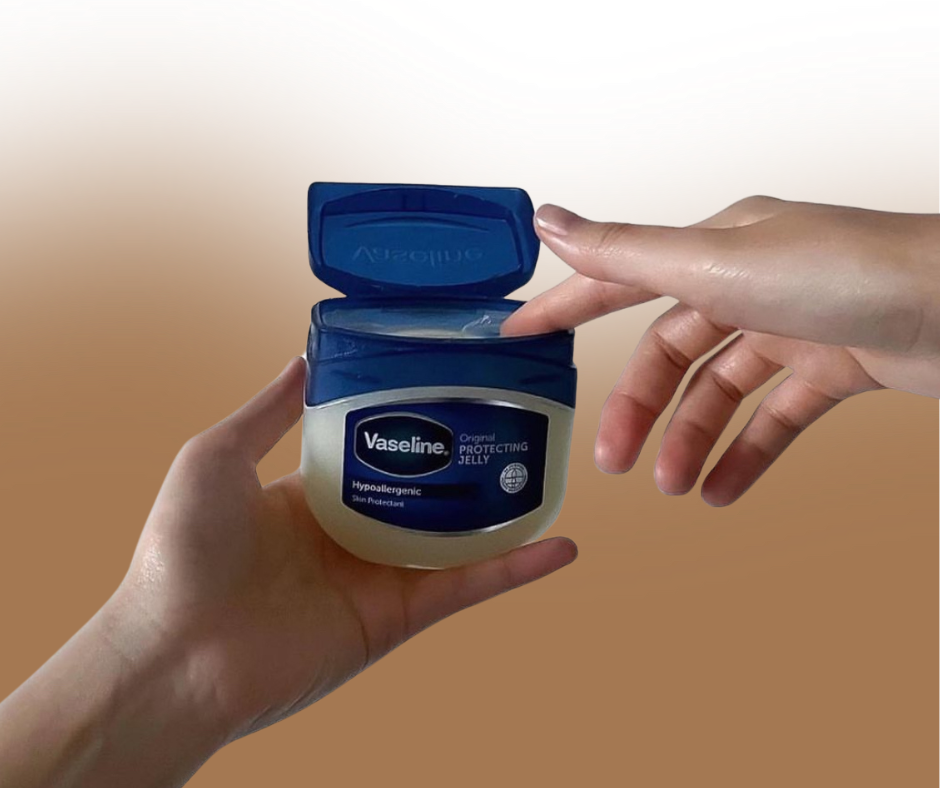
#1 From Mother Earth: Petroleum Jelly.
Petroleum jelly is a classic occlusive agent, forming a protective layer over the skin’s surface. You’ve probably got a jar lurking in the back of your bathroom cabinet. If you jumped on the skin-slugging craze, then you’re well familiar with it.
Petroleum Jelly acts as a barrier trapping moisture, significantly aiding in the prevention of transepidermal water loss (TEWL) and assisting in the skin’s natural healing processes. Its simplicity and absence of additives render it well-suited to most skin types, including those prone to sensitivity. By shielding the skin from external irritants, petroleum jelly provides a conducive environment for recovery from retinol-induced irritation.
#2 Off the sheep’s back: Lanolin
Lanolin is sticky and gooey, but it closely mimics the natural lipids found in human skin oils, offering deep protective moisturisation while the barrier formation is restored. Its ability to emulate skin’s function makes it a valuable ally in soothing irritated skin. However, lanolin’s potential as an allergen should not be overlooked.
A patch test is recommended to ensure compatibility, particularly for those with a history of skin sensitivities or allergies.
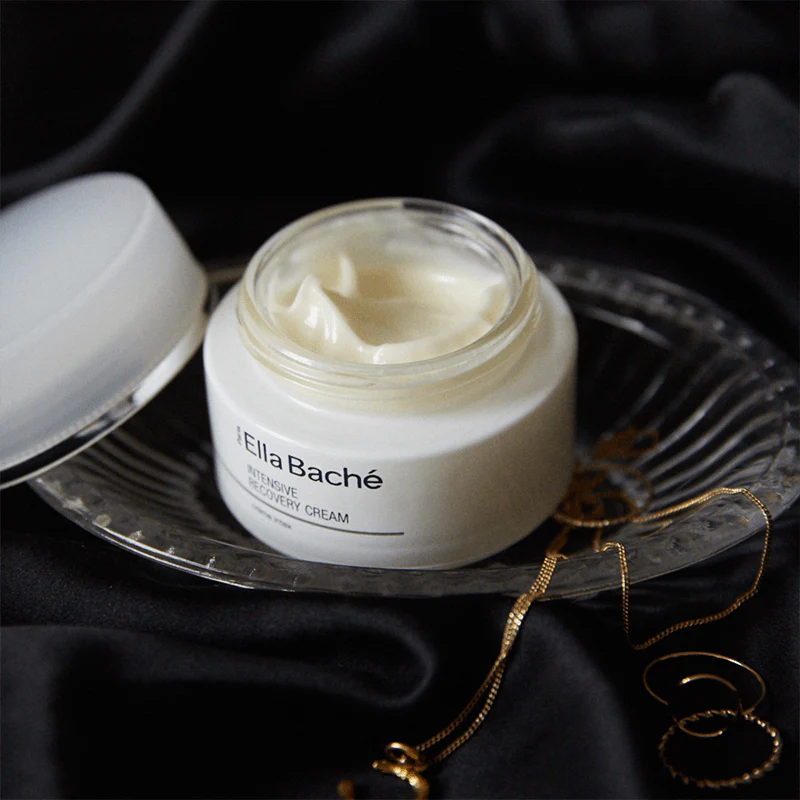
Ella Baché, renowned for their love of lanolin, has a soothing cream called Intense Recovery Cream, which might be exactly what you need. It is a multi-purpose, intensive recovery treatment cream that combines the soothing comfort of lanolin with the restorative power of cod liver oil to relieve extremely dry, flaky, irritated, and inflamed skin.
#3 From the plant kingdom: Jojoba Oil
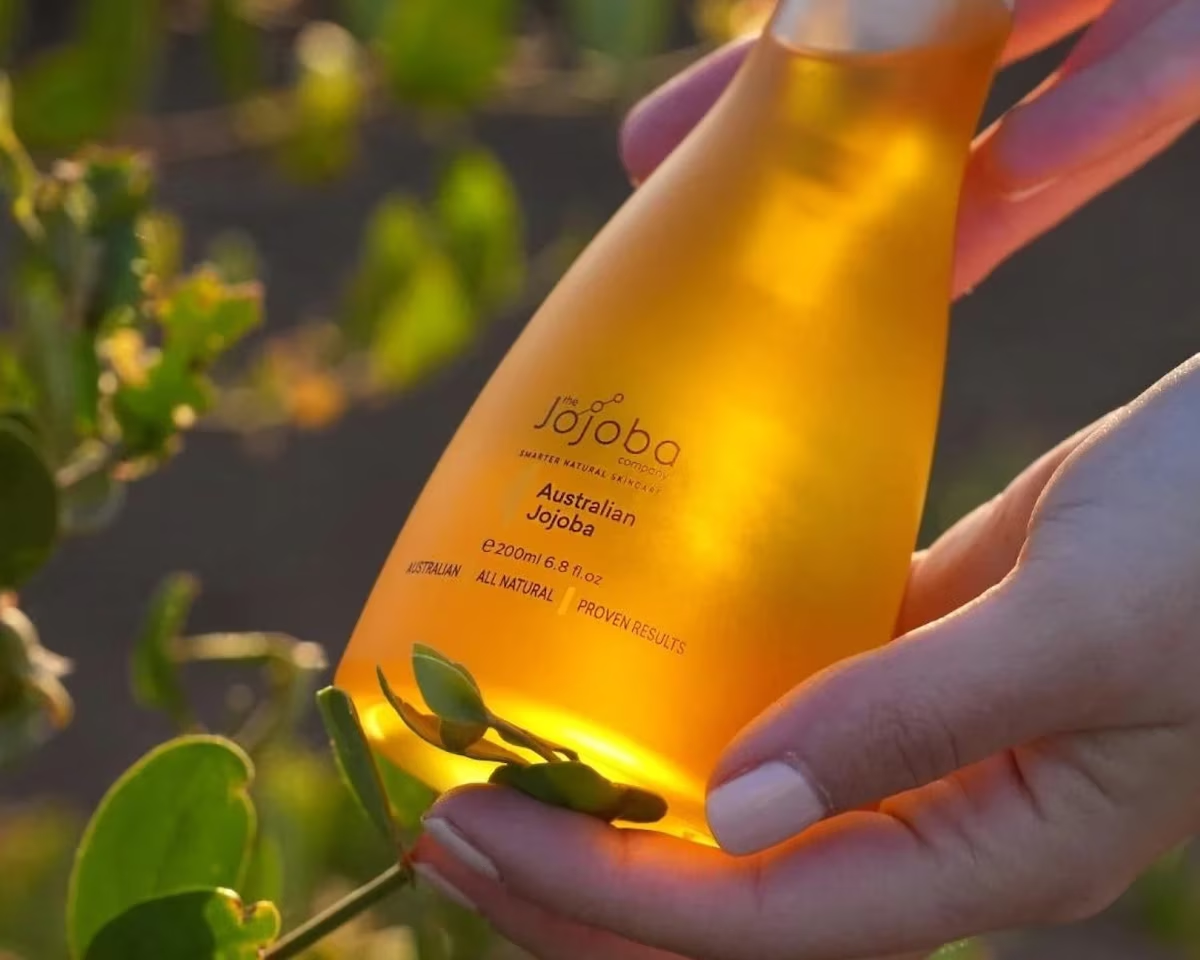 Jojoba oil, with its remarkable similarity to the skin’s sebum, presents a non-comedogenic option suitable for all skin types. Its ability to regulate sebum production especially benefits those experiencing retinol irritation.
Jojoba oil hydrates and helps maintain the skin’s balance, reducing the risk of further irritation. Its stability and low risk of oxidation further solidify its position as a gentle yet effective option for immediate care.
If you like the idea of Jojoba Oil, you could try the Jojoba Company. Their little bottle of golden goodness has nothing else added, so you won’t need to worry that other additives will make your retinol burn worse. Having said that, patch test first because you don’t want to compound your retinol burn with an allergic reaction.
Managing retinol reactions
The good news is that although your skin is irritated and may not look too pretty, a retinol burn usually resolves within a week or two. Although the skin is not permanently damaged, it becomes more susceptible to sun damage. So, apply broad-spectrum sunscreen and take the necessary steps and extra precautions when venturing into the sunshine.
If you experience a retinol reaction, follow these tips:
- Avoid direct sunlight and apply a broad-spectrum sunscreen.
- Reduce retinol application and use calming gels or emollient moisturisers.
- Consider the short-term use of an occlusive to calm the skin and restore the skin’s barrier function.
- Temporarily withdraw from other active skincare products.
- Gradually reintroduce vitamin A at a frequency your skin can tolerate.
- I’ll say it again and again. Wear a broad-spectrum sunscreen.
Should you continue with topical vitamin A?
Experiencing a retinol reaction leads to frustration, and you might feel like abandoning the idea of incorporating retinol into your skincare routine, but this would be a missed opportunity, as you stand to benefit from the daily application of topical vitamin A.
In my opinion, there’s no need to discontinue vitamin A use after a retinol reaction. Instead, consider your skincare goals—what are you aiming to resolve, treat, or minimise?
Addressing these questions will guide you towards finding the correct concentration for your skin.
Remember: Less is more, and opting for the most potent formula isn’t always necessary. Start Low & Slow.
Consider your skin care goals—what are you aiming to resolve, treat, or minimise? Addressing these questions will guide you towards finding the correct concentration for your skin.
Do you need high-strength retinol?
When used appropriately, retinoids are powerful solutions for various skin conditions. But here’s the thing: highly concentrated retinoids may not be necessary unless specifically required for a particular skin condition. If you have advanced sun damage, then sure, a high concentration of retinol or tretinoin will help. The key to your success is the manner in which you approach your Retinoid regimen.
Choosing an ester of vitamin A, such as retinyl palmitate, offers a slow, steady delivery without causing excessive irritation.
Regularly applying a low-strength retinyl ester can be as effective as higher concentrations but without the associated irritation associated with other retinoids.
When used daily, low concentrations of vitamin A not only repair the skin barrier but also provide valuable skin nutrients.
For personalised guidance on the best form of vitamin A and concentration for your skin, seeking expert advice from a skin therapist or dermatologist is a good idea. Their insights can help you make better decisions about your retinol skincare routine.
Tips for preparing your skin
If you want to succeed with a retinol skincare product, get the basics right first. This ensures your skin is more resilient and will cope with the potential for any reaction.
- Prepare your lipid barrier first if you suspect it’s out of balance. Skin with an impaired barrier function will not respond well to any vitamin A skincare formulation, so fix this first before moving on to a vitamin A skincare serum or cream.
- Start with a low concentration. For me, a vitamin A ester formulation is the best place to start, and in some cases, if skin health is your goal, it’s probably your best option.
- Gradually increase your dose. There is no need to rush the process. You will not get a better result from too much too soon or leaping to highly concentrated formulas before you’re ready. A retinol burn is not the way to better skin.
- If you’ve decided to opt for a high concentration of retinol, then start slowly and mix it with your daily moisturiser to buffer the intensity.
- Begin once a week, increasing the frequency as your skin develops tolerance.
A retinol reaction happens when the skin is overwhelmed with vitamin A and unable to cope with the amount entering the skin cells. This often occurs when a medical prescription of vitamin A (tretinoin) or a concentrated retinol serum is applied too frequently or too liberally or if the skin is not prepared for a high-strength concentration of retinol.
My final thoughts?
Whether navigating the intensity of a “retinol boot camp” (so to speak) or opting for a “gentler daily workout”, remember that your skin is as unique as you are. Seeking professional guidance will help you achieve the best results.
Your skin deserves the care that suits its individual needs. Feel free to reach out to me if you have questions or need my advice.
If you found this article helpful, please share it with your friends or family who might also be struggling with the highs and lows of vitamin A skincare.
See you next time,
