
I live in the southern hemisphere, and summer will soon fade into our collective memory for another year. We can relax a little with our daily sun protection. Or, maybe for you, in the middle of winter, you’re yearning for the weather to warm up once more, and a little unprotected sunshine is good a thing. Right?
Woah! Hold up there! We need to talk about this.
Sun protection. No matter the season.
Whatever way you choose to look at it, the changing seasons put demands on your skin. With the arrival of summer, it’s time to think about sun protection.
But wait! Sun protection is a rain, hail, or shine kind of thing, no matter what season you’re in. Wear sunscreen.
Proper sun protection is not something you should do when the summer season rolls around. Nope. If you want to preserve the health of your skin, then sun protection is a 365 days of year skincare MUST DO!!
And yet, despite the increased awareness and education surrounding the importance of sun protection to prevent skin cancer, it seems many are still putting their skin at risk. Skin cancers such as basal cell carcinoma or, worse, melanoma skin cancer remain prevalent worldwide.
It’s strange but tis’ true, that even though sun smart education is easy enough to find on the internet, many people are still confused about the correct way to protect their skin 365 days a year.
So, what are those questions?

1. Am I applying my sunscreen correctly?
Whether your sunscreen is in your moisturiser or you drag it out and slap it on during the warmer months, how much you apply to your skin DOES matter, and your skin needs an even and protective coating to protect you adequately.
Once applied, allow at least 20 minutes before venturing outdoors into the sun.
2. How high should the SPF be?
SPF is the acronym for Sun Protection Factor, and the number represents how long it takes before you burn in the sun.
So as an example, if it usually takes you 5 minutes before your skin turns pink when exposed to UV radiation, you would multiply 5 minutes by the sun protection factor on the label. This calculation will give you an approximate for how long you can remain in the sun before you burn. 5 minutes x SPF15 = 75 minutes.
So if you burn in 5 minutes and wear an SPF50+, you’ll have 250 minutes or around 4 hours of sun protection before your skin begins to burn. At this point, you’ll need to reapply. This is especially true if you’re fair-skinned, in which case, cover up and get the heck out of the sun!
3. If SPF50 gives me nearly 4 hours of protection, can I reapply to get another 4 hours?
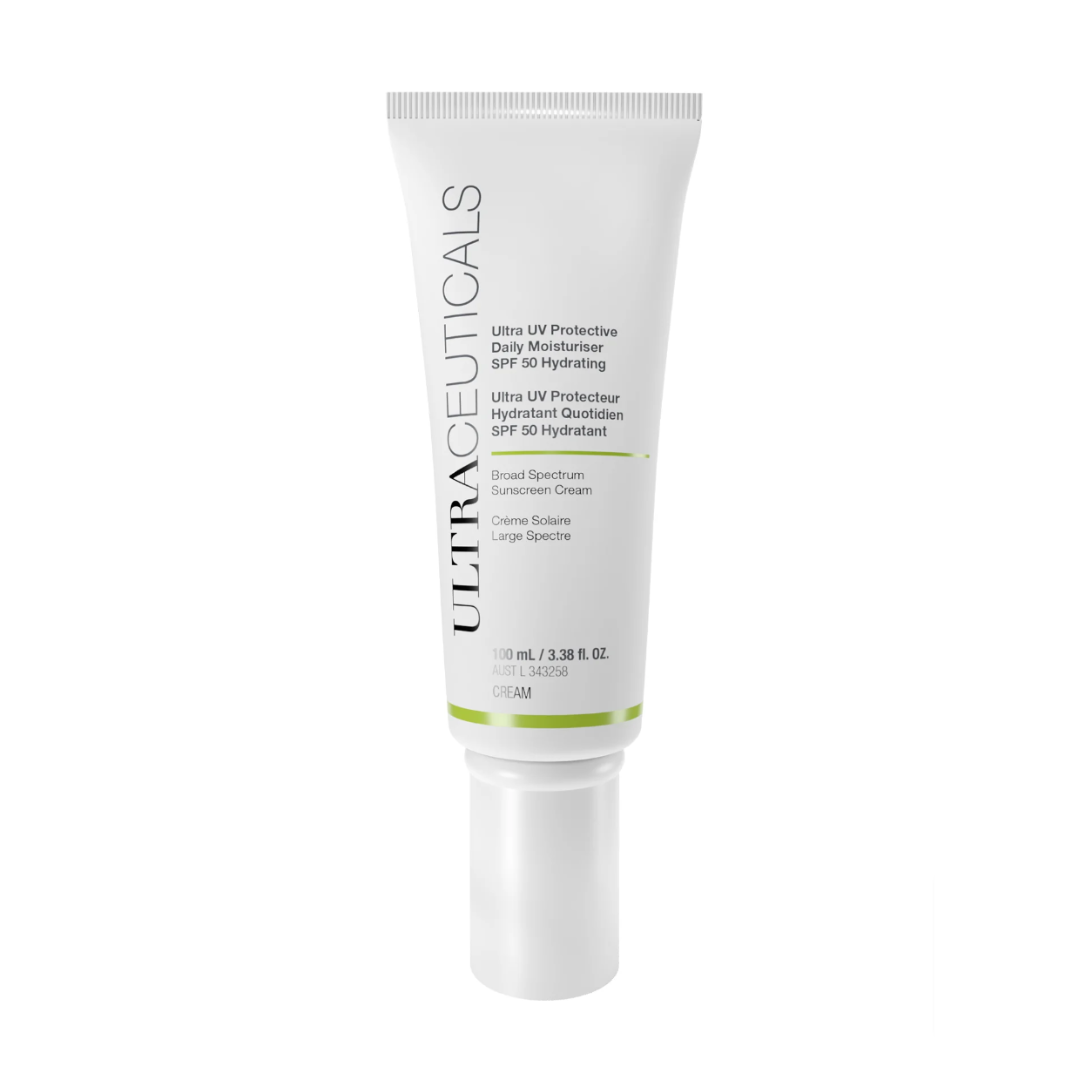 Well, that would be an excellent idea. However, despite re-application, you should consider reducing your sun exposure after this time as there’s no guarantee you’re protecting your skin for another 4 hours, especially if it’s a super hot day.
Why you ask? Well, you’ve reached what’s known as your minimal erythemal dose (MED) and your sun exposure limit.
Your Minimal Erythemal Dose (MED) is the least amount of sun exposure needed to turn the skin noticeably red, indicating the start of a sunburn. It varies from person to person, depending on skin type and sun conditions. Knowing your MED helps avoid sunburn and protect your skin.
Your skin has a limit to how much UV exposure it can handle in a day. Even if you reapply sunscreen, if your skin has already been exposed to its limit or reached your MED), further sun exposure can lead to damage because the skin’s mechanisms to protect and repair itself can be overwhelmed even with a reapplication of a broad spectrum sunsreen.
Sure, you’re still going to get some protection, but really? It’s time to cover up and stay in the shade. If you work outdoors, then I suggest your best option is protective clothing and a wide-brimmed hat and, of course, polarised and UV protective sunglasses.
4. What about spray-on sunscreens?
As we have already discussed, adequate sun protection means applying it evenly and liberally, so although a spray-on seems like a convenient option unless you take extra care in application, a spray-on sunscreen may not provide enough overall cover.
5. Does wearing sunscreen guarantee I’m protected from the dangers of Melanoma?

Sadly no, but it will reduce your risk. The exact cause of Melanoma is, for the most part, unknown and although the sun and sunbeds are major contributing factors.
So, reduce the risk by minimising your time in the sun by wearing a well-formulated sunscreen and covering up with protective clothing once you have been out in the sun for more than a few hours and vitally important in risk reduction.
6. But my makeup has an SPF? Isn’t that enough?
Many makeup formulations have some sun protection, which is excellent but rarely enough as they do not always block the full spectrum. Look for makeup with sunscreen that not only has an SPF rating of at least 15+ but are broad spectrum.
Broad-spectrum means it will protect against both UVB (the burning rays) and UVA radiation (the rays reaching down deep into your dermis).
To ensure you’re well protected, apply a broad-spectrum sunscreen underneath your makeup.
7. Should I wear sunscreen 365 days of the year?
If you’re serious about protecting, not just from the perils of skin cancer but also keeping your skin looking fabulous for as long as possible, then YES, protection 365 days of the year is a very, very good idea.
Sun damage is something that builds up over time. A lifetime of sun exposure begins to show itself in ways such as unsightly hyperpigmentation, premature lines and wrinkles. Your skin can become far more sensitive, and the natural repair mechanisms in your skin slow down. That’s not good if you want healthy glowing skin.
8. But I’ve heard I also need Vitamin D?
As you get older, you’ll likely become deficient in Vitamin D but it can show up in younger people as well. Vitamin is an essential to our overall health and is activated when your skin is exposed to UVB radiation, which I realise presents conundrum. How do we protect our skin but still get enough vitamin D?
You’ll find more in this article: The Vitamin D Sunshine Conundrum.
But, if you’re worried, get your doctor to test your levels, and expose your skin to 5 minutes of mild sunshine during the early morning hours and include vitamin D rich foods in your diet to ensure you are getting all you need.
Fish oil and dairy products are an excellent source of vitamin D, or if your deficient you doctor may recommend an oral supplement.
If I offer you one tip for your future skin?
Wear sun protection! Yep. 365 days of the year. If you want your sons and daughters to have beautiful skin for a very long time, then start protecting their skin as early as possible. Look for a sunscreen recommended for infants.
Whether you decide to opt for SPF50+ or something lower doesn’t matter. What’s important is your consistent use of well-formulated, high-quality, broad-spectrum sun protection.
Your skin needs this kind of protection. Truly!
And now you?
So have I convinced you yet? Or do you only slap on sunscreen during the hot summer months and forget it once the clouds roll in? Or, do you have a sun protection regimen that protects you 365 days of the year? I hope so!
So, hey, a small favour, if you liked this article and know someone who needs to read it, please share it on your social pages.
If you want to know a whole lot more about protecting your skin from the sun (not just sun protection) and reversing any sun damage, you may already have, check out this article.
Or, if you still have questions and need personal advice, you can reach me here.
See you next time,
