
Was it just me, or are the symptoms of a hormonal imbalance trying to ruin my life?
There’s a well-known belief that admitting you have a problem is the first and most crucial step in conquering it. Once you acknowledge an issue, not only can you begin to solve it, but your mind opens up to new ways of looking at the problem and finding solutions. As you do this, new ideas, concepts, and even people seem to emerge, offering the answers you couldn’t see before.
It’s like lifting a veil — you suddenly gain clarity. If you’ve ever had this experience, you know how it can feel almost magical, but in reality, it’s more about heightened awareness. When it comes to hormonal imbalances, having this clarity is key to taking control of your body.
The myth of the inevitable.
We’ve all heard the common beliefs about ageing —”You’ll inevitably put on weight at a certain age” or “Wrinkles will start to appear once you hit [insert your age here].” These ideas are planted in our minds, and before we know it, we start accepting them as ‘the norm’ or an unavoidable fate.
I remember someone telling me at the age of 28 that I was already on the slow decline toward old age — ridiculous, right? Yet these sweeping statements stay with us. They shape how we perceive our bodies and the changes that come with time, especially when it comes to hormonal fluctuations.
But just because milestones like turning 30, 40, or 50 are inevitable, it doesn’t mean we have to passively accept everything that comes with them. Menopause, for example, may seem like a distant event when you’re in your 30s, but the symptoms of hormonal imbalance can start showing up earlier than you think. Is that fatigue or irritability you’re feeling really just a part of life, or could your hormones be trying to tell you something?
The hormonal walk of shame
If you’re in tune with your body, you’ve likely noticed changes—whether they’re physical symptoms or emotional shifts—linked to your hormones. Personally, I can pinpoint various stages of my life where hormonal imbalances threw everything off course.
In my 30s, Evening Primrose Oil became my saving grace for mood swings I couldn’t control. “It’s not me, it’s my hormones!” I cried in shame. But like many, I muddled through, trying to cope without the vast amount of information we have today.
Back then, we didn’t have Google to answer our every question. Now, we’re bombarded with so much information, it’s hard to know where to start. While there’s plenty out there on reproductive hormones and PMS, there’s still a gap in understanding what happens between the ages of 35 and 45, when perimenopause begins to rear its head.
You might think your GP will guide you through it when the time comes, but not all doctors are well-versed in the intricacies of menopause. If you’re lucky enough to have one who is, consider yourself fortunate. For the rest of us? Keep reading.
Bursting with confidence? No, not really
What’s particularly frustrating is that those around you may not fully grasp what you’re going through. Saying “It’s just my hormones” sounds like a lame excuse, and the shame we carry for not feeling or looking our best when it’s what’s expected of us, at a time when you should be bursting with confidence, only adds to the anxiety.
But here’s the thing—you don’t have to accept that this is just how life is, and you certainly should not be feeling anything close to the emotion of shame.
As time goes by, your body will naturally go through hormonal changes, and you can take control of how you manage them. There’s light at the end of the hormonal tunnel, and by understanding your hormones, you can start to regain control of your overall health and happiness.
 Book spotlight: The M Word by Dr Ginni Mansberg
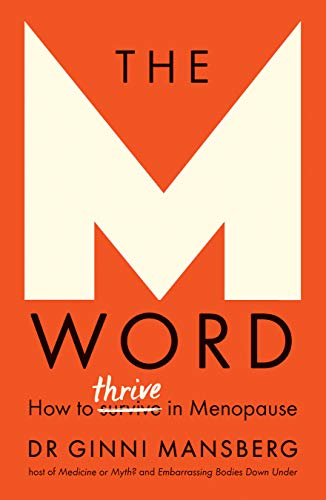
If there’s one book I wish I’d had on my radar sooner, it’s The M Word by Dr Ginni Mansberg. Written by an Australian GP and media voice who gets it, this book cuts through the confusion surrounding midlife hormonal changes with clarity, compassion, and a healthy dose of straight talk.
It’s an essential read for any woman navigating the shifts that begin in your late 30s and beyond — not just menopause, but the often-overlooked stage of perimenopause, where symptoms can be subtle, confusing, and easily dismissed.
What The M Word explains so well:
Why sleep, mood, and libido can feel like they’ve vanished overnight — and what to do about it
The truth about weight gain, insulin resistance, and hormones (it’s not just about willpower)
How hormone therapy (HRT) works, and why it’s no longer the villain it was once made out to be
The real effects of stress, alcohol, and lifestyle on your hormonal health
How to advocate for yourself with your GP — especially if you feel unheard
What options are available to support you, from supplements to medical treatments
Whether you’re just starting to wonder if your symptoms are hormonal or you’re already knee-deep in hot flushes and night sweats, The M Word is a reassuring and empowering guide that reminds you: you’re not crazy, you’re not alone, and you do have options.
You’re not alone
What makes The M Word so valuable is that it’s not only packed with credible, up-to-date information — it’s also written in plain English, with honesty, empathy, and humour. Dr Ginni Mansberg truly gets what women go through in midlife. She gets you.
From brain fog and mood swings to stubborn weight gain, disrupted sleep, and that vague sense that something’s “off,” The M Word helps you make sense of the symptoms you’ve been living with — sometimes for years — and gives you practical ways to take back control of your hormonal health.
You may not be able to change your chronological age, but you can take steps to improve your biological age, overall well-being, and confidence.
Whether you’re 35, 45, or well into your 50s, this book is a reminder that midlife doesn’t have to feel like a slow unravelling — it can be a new beginning.
And now you?
So… are your hormones calling the shots, or are you ready to take the reins? I’d love to hear your experience — send me an email, and let’s keep the conversation going.
You can find The M Word wherever good books are sold, or visit Dr Ginni Mansberg’s website for more details.
See you next time,
